From the field
Field guides and straight answers on documentation, translation, and AI in fire and EMS — written for the people running the calls and the chiefs backing them.
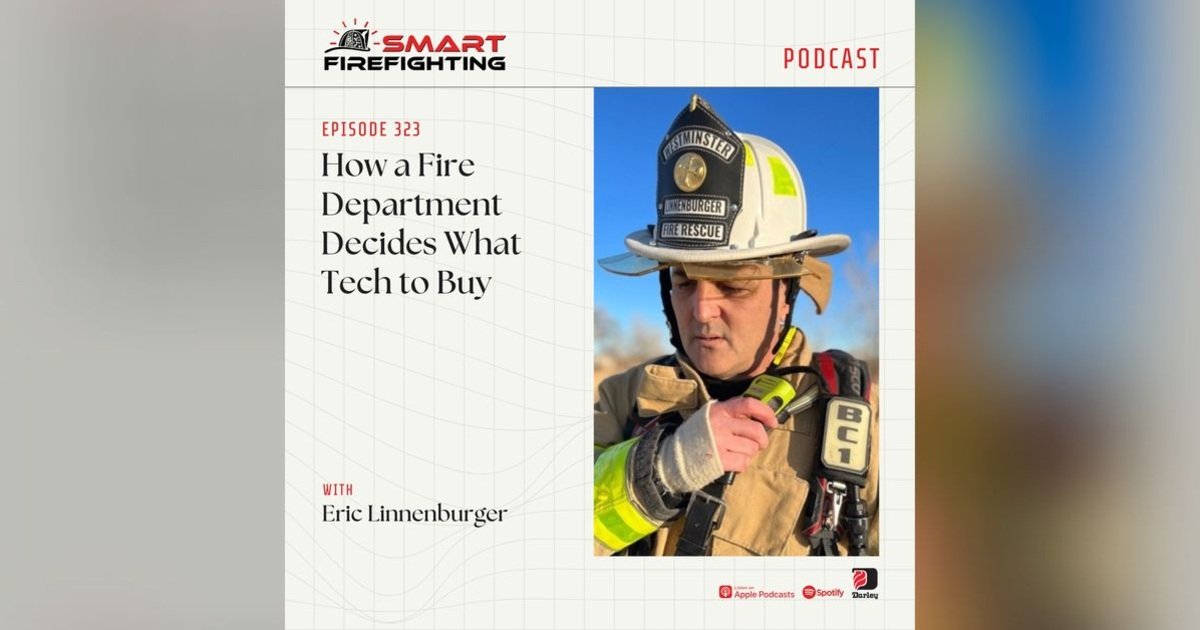
How a Fire Department Decides What Tech to Buy — Notes from Deputy Chief Eric Linnenburger
Deputy Chief Eric Linnenburger on how Westminster Fire evaluates new technology, why crews hold the veto, and what "firefighter proof" means for vendors.
Read the story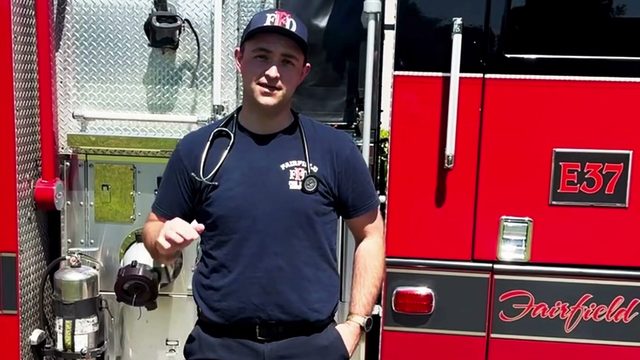
Case Study: How Fairfield Fire Went from a Two-Month Pilot to a Department-Wide Agreement
Fairfield Fire Department crews used vitalvoice 61 times in a two-month pilot — Spanish, Punjabi, Hindi, and Italian — and the department signed. Here's the full story, in the chief's and the crews' own words.

Using ChatGPT to Write Your EMS Narratives? Read This First
Thousands of medics paste patient details into ChatGPT to write their narratives. Here's why that's a HIPAA problem, what it means for you personally, and the compliant way to get the same time savings.
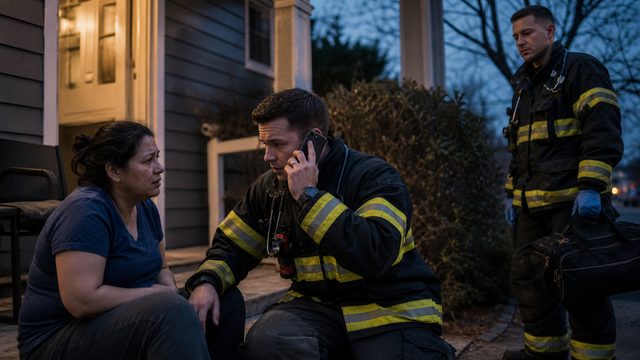
Language Line Alternatives for Fire Departments and EMS (2026 Guide)
Phone interpreter lines were built for call centers, not emergency scenes. Here's an honest comparison of every option fire and EMS agencies actually use — bilingual crews, Google Translate, phone lines, and AI interpretation.
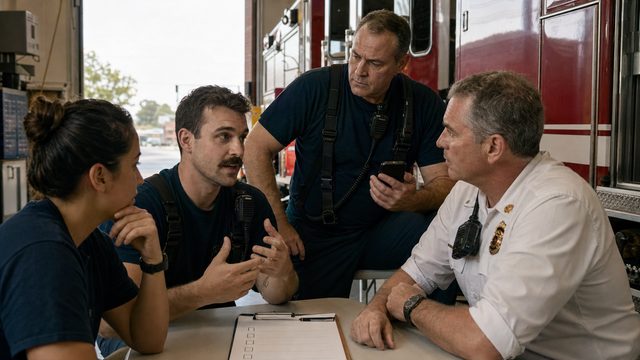
How to Run a 30-Day Tech Pilot Your Crews Won't Sabotage
A simple 30-day pilot plan for chiefs: name the problem, let crews test the tool, track the results, and decide from your own data.
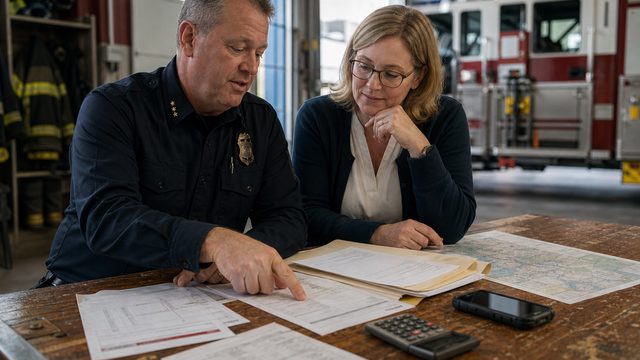
How to Pay for Fire and EMS Documentation and Translation Tools
You may not need a new budget line. Here are the grants, current costs, and local funds that can help your department pay for new tools.
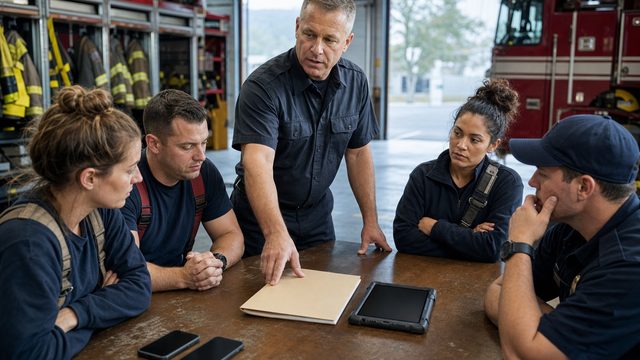
A Model AI Policy for Fire Departments (Copy It, Adapt It, Ship It)
Your crews may already use AI to write charts. Copy this simple policy, review it with your attorney, and give crews a safe path.
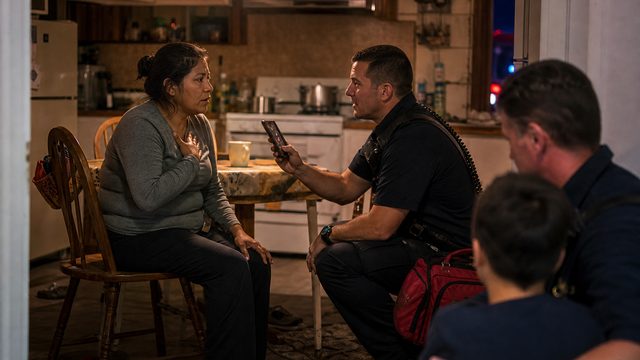
Stop Asking Kids to Interpret: The Hidden Cost of the Family Workaround
On LEP calls, crews often have no interpreter but the patient's child. What that costs the kid, the patient, and the department — and why it's avoidable now.
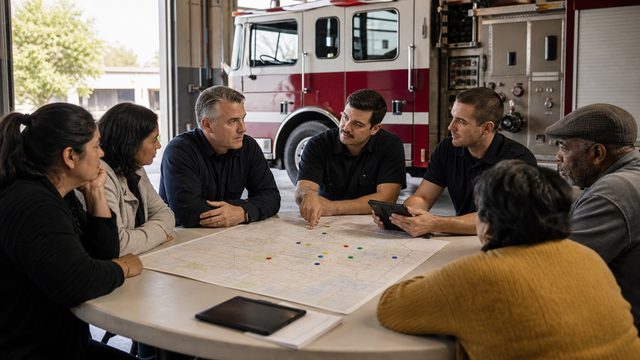
Title VI and Language Access for Fire Departments, in Plain English
Title VI links federal funds to meaningful language access. Learn what that may mean for your department and how to build a clear plan.
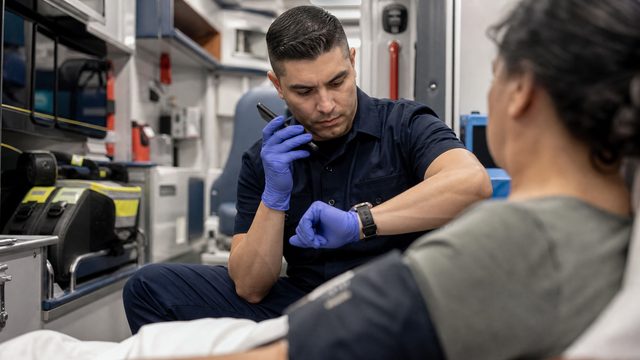
The Real Cost of Per-Minute Interpretation for Fire Departments
Per-minute interpretation bills spike with call volume and can't be budgeted. Here's how the meter actually works, what it hides, and what flat pricing changes.
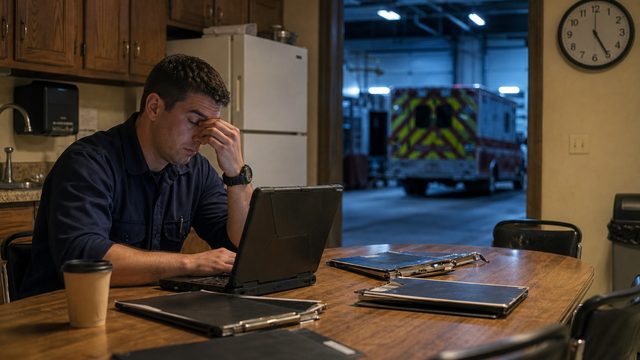
End-of-Shift Charting: Why Late Narratives Are the Weakest Ones
Late charts are the weakest charts. Why end-of-shift charting costs you accuracy, time, and overtime — and how to draft the narrative before the rig clears.
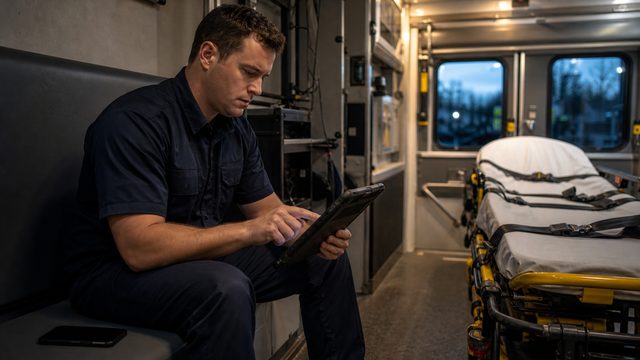
Is Your AI Scribe Making Things Up? An Accuracy Checklist for Fire and EMS
Worried an AI scribe will invent a vital sign in a legal medical record? Here are six questions to ask any vendor, and how vitalvoice answers each.
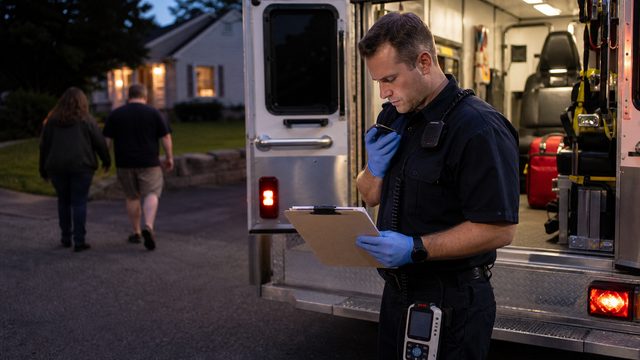
How to Document a Patient Refusal: The Chart That Protects Your Career
A patient refusal is the highest-risk call you run. Here's what a defensible refusal narrative has to show, with strong and weak example language.
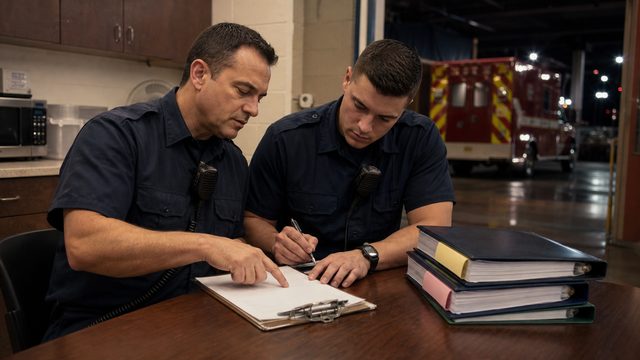
SOAP vs. CHART vs. DCHART vs. DRAATT: EMS Narrative Formats Explained
SOAP, CHART, DCHART, and DRAATT explained in plain words: what each letter means, when each narrative format fits, and how to pick the one your crew uses.
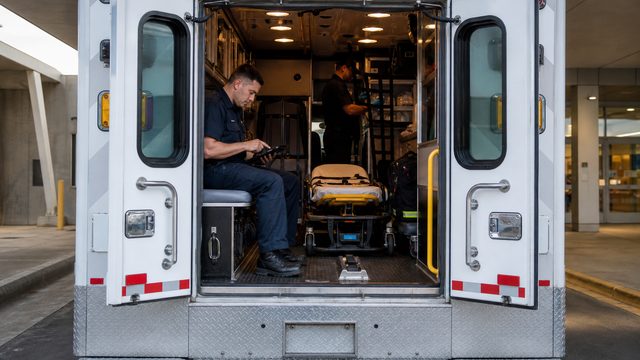
How to Write an EMS Narrative (With Real Examples)
A plain guide to writing an EMS narrative that holds up in QA and in court: formats, what to include, a full DCHART example, and mistakes to avoid.
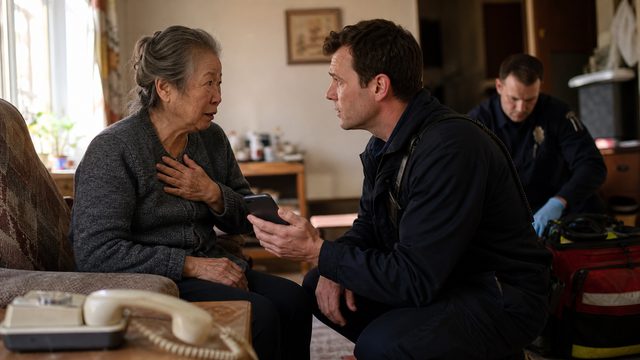
Welcome to vitalvoice
Why a healthcare provider and an engineer built documentation and translation software for fire and EMS — and what the app does on a real call.