Language Line Alternatives for Fire Departments and EMS (2026 Guide)
Phone interpreter lines were built for call centers, not emergency scenes. Here's an honest comparison of every option fire and EMS agencies actually use — bilingual crews, Google Translate, phone lines, and AI interpretation.
By vitalvoice Team
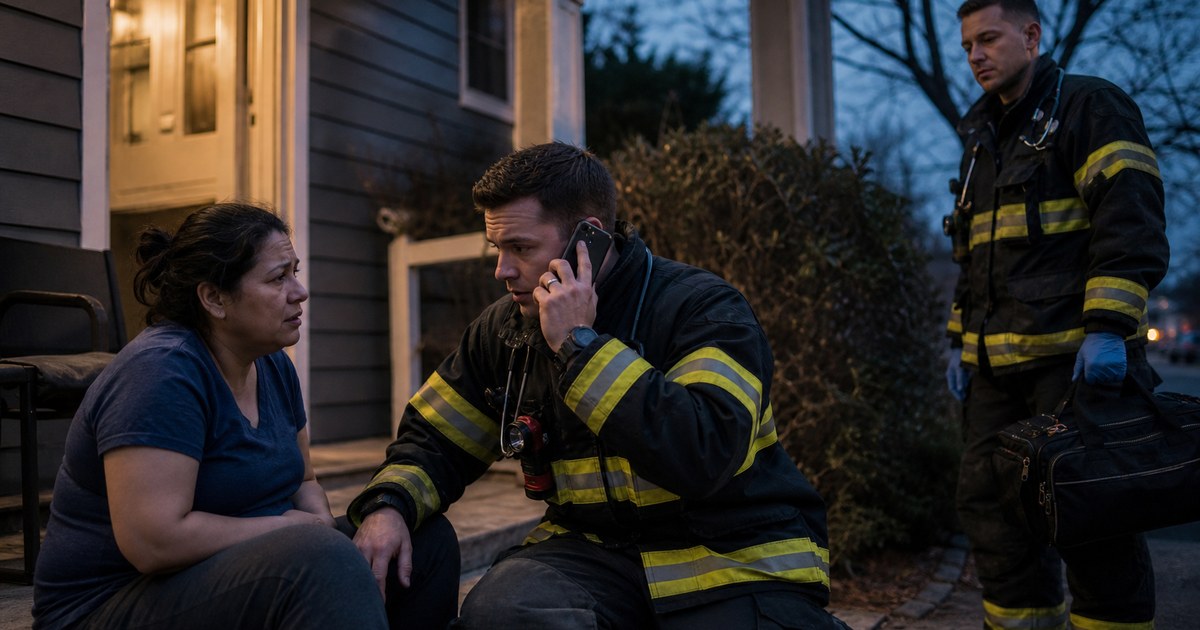
You may know this call. A crew arrives, but the patient does not speak English. The crew waits on hold for a phone interpreter. The patient is in pain, and no one can explain what is happening.
Phone interpreter lines were built for call centers and hospital front desks. They can fail in common ways on an emergency scene. Fire and EMS agencies have found other options. Here is an honest look at each one, including when it may work.
Why departments go looking for an alternative
Chiefs tell us about the same four problems:
- Hold times. Three to five minutes is a long wait when you need to sort patients by how quickly they need care. Crews may skip the interpreter and transport without clear answers.
- Per-minute billing. The meter runs while you are on hold. A busy month can bring a surprise bill, which makes costs hard to plan.
- No signal, no service. Cell service often drops in basements, on rural highways, and in parking garages.
- No documentation. When the interpreter hangs up, no record is left for the patient chart, quality review, or a later question about the call.
The alternatives, honestly compared
Bilingual crew members
When it works: A Spanish-speaking firefighter on shift may be the fastest option.
Where it breaks: The right person must be on the right shift and speak the right language. Your district may serve people who speak many languages. A crew member may also be asked to interpret without the right training or certification. If a medical detail gets lost, that can create risk. There is also no record of what was said.
Family members and bystanders
This is a common field workaround, but it comes with serious risks. There is no way to check the accuracy, and the family member may not know medical terms. The person translating may even be the patient’s child. That puts a scared child in the middle of a parent’s medical emergency. It also leaves the department with no clear record of what was said.
Google Translate
When it works: Simple questions with low risk, such as, “Does it hurt here?”
Where it breaks: It is not HIPAA compliant. There is no Business Associate Agreement (BAA) or record of the exchange. It is not built to handle medical terms. Most language pairs need a signal, and it cannot find the language for a dazed patient who cannot name it. It may help a tourist, but it is not built for a signed patient care record.
Other phone interpreter lines
Changing phone line vendors may not change the experience. Each one connects you to a human interpreter by phone and bills by the minute. Hold times, the need for a signal, and missing records are part of that setup.
AI interpretation built for EMS (vitalvoice)
This is the option we build, so keep that in mind. It works in a different way from a phone line:
- Connects in seconds, not minutes — there is no hold queue because there is no human dispatcher.
- Works offline. Interpretation runs on the device, even in basements and dead zones.
- Finds the language — crews do not have to guess when the patient cannot tell them.
- Documents while it interprets. The app drafts a narrative in your department’s exact template—not a fixed vendor format. Your medic reviews and signs it before it reaches the electronic patient care report (ePCR).
- HIPAA-compliant by design. We sign a BAA. Transcripts stay on the device and are wiped at the end of the shift.
- Predictable translation pricing. The department does not pay a per-minute meter, so a busy month does not create a surprise interpretation bill.
During pilots, departments run vitalvoice next to their existing interpreter line. 93% of firefighters choose vitalvoice. On one Brighton Fire Rescue call, the app found that patients were speaking Romanian. The crew changed its triage on the spot after learning that the injuries “were far more severe than they appeared.”
Quick comparison
| Speed to interpretation | Works offline | Documentation | HIPAA/BAA | Cost model | |
|---|---|---|---|---|---|
| Bilingual crew | Instant (if on shift) | Yes | None | N/A | Free, unreliable |
| Family/bystanders | Instant | Yes | None | No | Free, unacceptable |
| Google Translate | Fast | Limited | None | No | Free |
| Phone interpreter lines | 3–5 min hold | No | None | Varies | Per-minute meter |
| vitalvoice | Under 5 seconds | Yes | Auto-drafted narrative, medic-signed | Yes, BAA signed | Predictable department pricing; no per-minute meter |
What to do with your existing contract
You do not have to remove your current phone line right away. Most departments keep it during a vitalvoice pilot. Then they watch which tool crews use. If your crews are like the 500+ first responders already using vitalvoice, the phone line becomes the backup. At renewal, predictable department pricing can replace the per-minute cost.
Chiefs: Want to compare vitalvoice with your current interpreter line? Book a 15-minute demo. We configure your exact templates, and crews can be using the app within the week.
Crews: Download vitalvoice from the App Store. You get two free sessions in each mode. Try it on a real call and show your chief the result.